Sales:
(888) 397-1874
Service:
(317) 831-0770
Parts:
(317) 831-0770
Open Today Sales: 9 AM-7 PM



SRW vs DRW Comparison Guide
The Chevy Silverado 3500HD DRW offers superior towing stability by utilizing four rear tires. This widened rear footprint is essential for preventing trailer sway on windy Indiana interstates. Browse our new 1-ton truck inventory at Greg Hubler Chevrolet to compare these massive chassis configurations today.
Selecting a 1-ton pickup requires deciding exactly how you want your cargo weight distributed across the rear axle. While both the Single Rear Wheel (SRW) and Dual Rear Wheel (DRW) models feature the identical Allison 10-speed transmission and high-strength steel frame, their distinct rear footprints dictate their ultimate hauling limits.
To see how these specific axle choices fit into the broader heavy-duty trim lineup, view our complete 2026 Chevy 1-ton pickup overview. This guide contrasts the daily drivability and maximum payload differences between the two architectures.
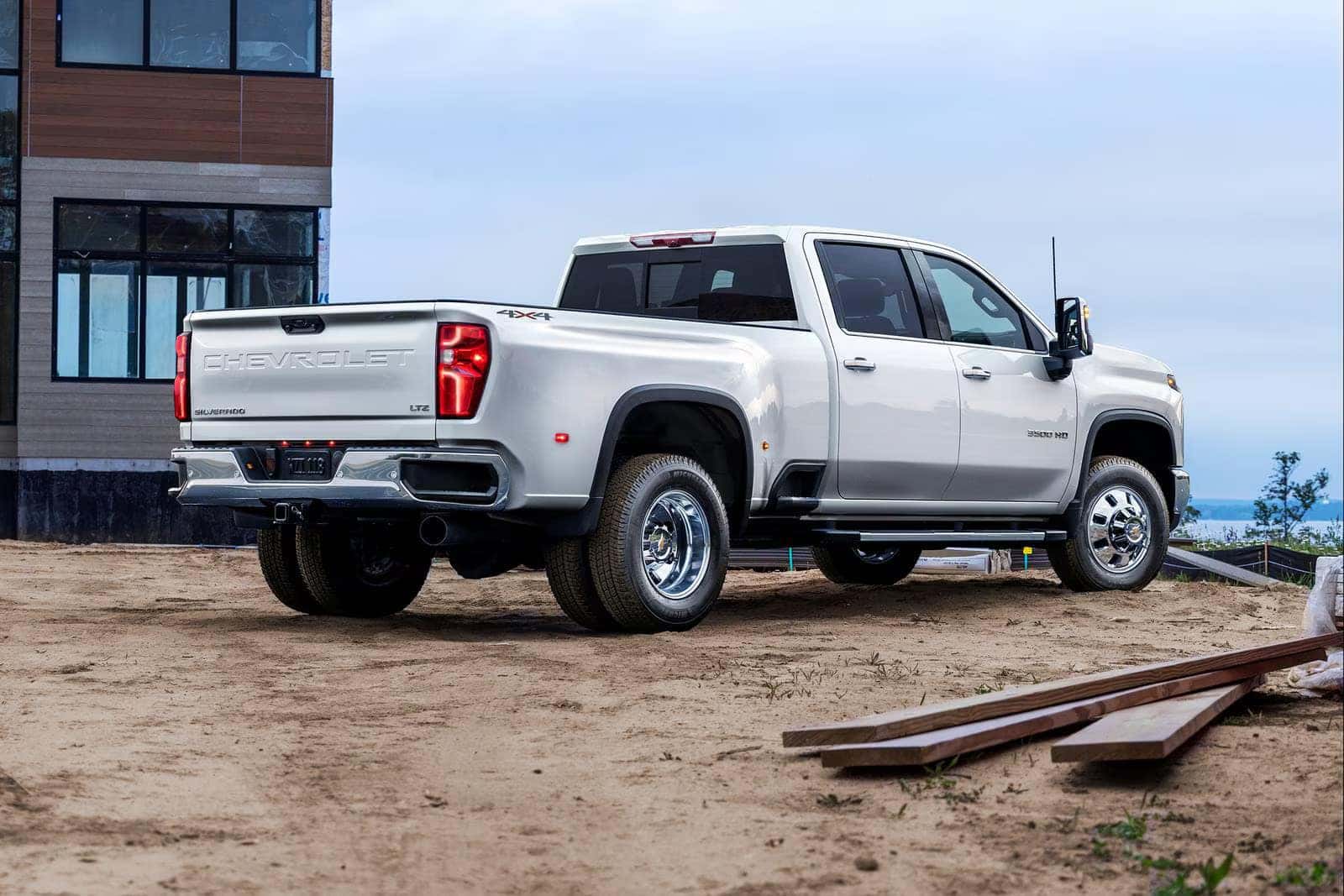
The most obvious visual and mechanical difference is the rear axle setup. The DRW model, commonly called a “dually,” utilizes two wheels on each side of the rear axle, requiring pronounced fiberglass fender flares that widen the truck’s overall body.
| Specification | Silverado 3500HD SRW | Silverado 3500HD DRW (Dually) |
|---|---|---|
| Rear Tire Count | 2 Tires | 4 Tires |
| Max Payload Capacity | Up to 4,682 lbs (when properly equipped) | Up to 7,234 lbs (when properly equipped) |
| Overall Width | Standard width | Extra-wide with rear fender flares |
| Towing Stability | Excellent for standard heavy trailers | Superior for massive gooseneck trailers |
The SRW model represents the sweet spot for contractors who need 1-ton pulling power but also require daily maneuverability. By maintaining a standard track width, the SRW is much easier to park in standard lots around downtown Indianapolis and navigate through crowded Camby bank drive-thrus. It still delivers a massive payload limit of up to 4,682 pounds, making it highly capable of hauling lumber and tools. You can verify official dimension changes on the official Chevrolet truck portal.
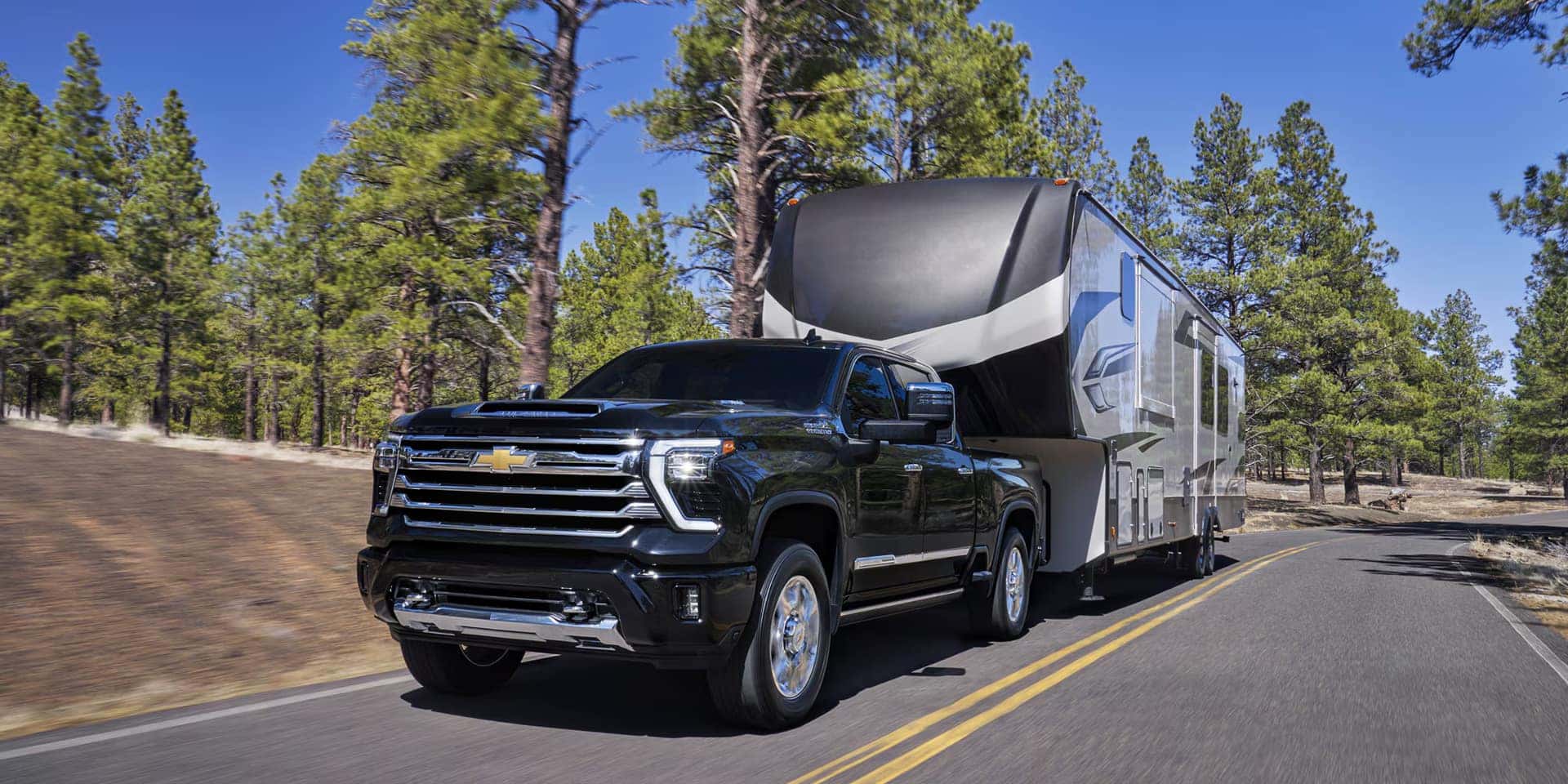
When your daily job involves moving maximum commercial weight, the DRW configuration is mandatory.
Adding two extra tires to the rear axle dramatically increases the truck’s contact patch with the pavement. This completely changes how the vehicle handles a massive payload. The DRW setup unlocks the absolute peak payload capacity of 7,234 pounds. This allows you to fill the cargo bed with incredibly heavy materials like wet topsoil or dense paving stones without overwhelming the rear suspension.
Furthermore, the widened stance acts as an anchor when pulling towering fifth-wheel campers down I-465. The four rear tires physically resist crosswinds and prevent the trailer from pushing the back of the truck sideways. For commercial drivers moving extreme weight, this added stability is non-negotiable. To read more about federal weight limits and commercial hauling compliance, visit the NHTSA commercial vehicle safety database.
Whether you need the daily maneuverability of the SRW or the ultimate commercial hauling power of the DRW dually, Greg Hubler Chevrolet has you covered. Visit our Camby showroom to compare them in person today.
