Sales:
(888) 397-1874
Service:
(317) 831-0770
Parts:
(317) 831-0770
Open Today Sales: 9 AM-6 PM



The 2027 Chevrolet Suburban delivers 144.5 cubic feet of maximum cargo space, more than most full-size SUV rivals. That figure jumps from 41.5 cu ft behind the third row to 93.8 cu ft with the second row folded. This page breaks down every cargo and seating number, plus which trims unlock the most flexibility, with inventory at Greg Hubler Chevrolet.
The 2027 Suburban is built around a single practical argument: it fits more. At 226.3 inches long, the Suburban carries all three rows of passengers and still leaves 41.5 cubic feet of cargo space behind the third row. That is meaningful space, equivalent to a large checked suitcase per passenger row. Fold those third-row seats and cargo jumps to 93.8 cubic feet. Remove the second row from the equation and the number reaches 144.5 cubic feet, a figure that rivals cargo vans for sheer volume.
That capacity is why large families in Camby and across the region keep coming back to the Suburban when a three-row crossover simply stops being enough. The platform is long, the roof is tall at 75.6 inches, and the full-size body-on-frame architecture means the cargo floor stays flat and usable instead of sloping around wheel wells.
The Suburban’s cargo system works in three distinct layers, each serving a different need.
This is everyday grocery and errand space while all eight seats are occupied. A 226.3-inch vehicle has enough overhang behind the third row to make this genuinely practical rather than symbolic.
With the third row folded or stowed, cargo volume more than doubles. This configuration suits costco runs, home improvement hauls, or any weekend trip where two rows of passengers travel with significant gear.
With both rear rows folded, the Suburban opens into a full loading floor that spans nearly the entire interior. A cargo management system comes standard across all trims, which means built-in organization rails and tie-downs keep loads from shifting on Indiana’s varied highway surfaces.
The third row itself provides 36.7 inches of leg room and 38.2 inches of head room, so the row is not sacrificed for cargo convenience. Passengers can sit in the third row without the tight-quarters experience common to mid-size three-row crossovers.
Seat configuration is where trim choice shapes the cargo experience.
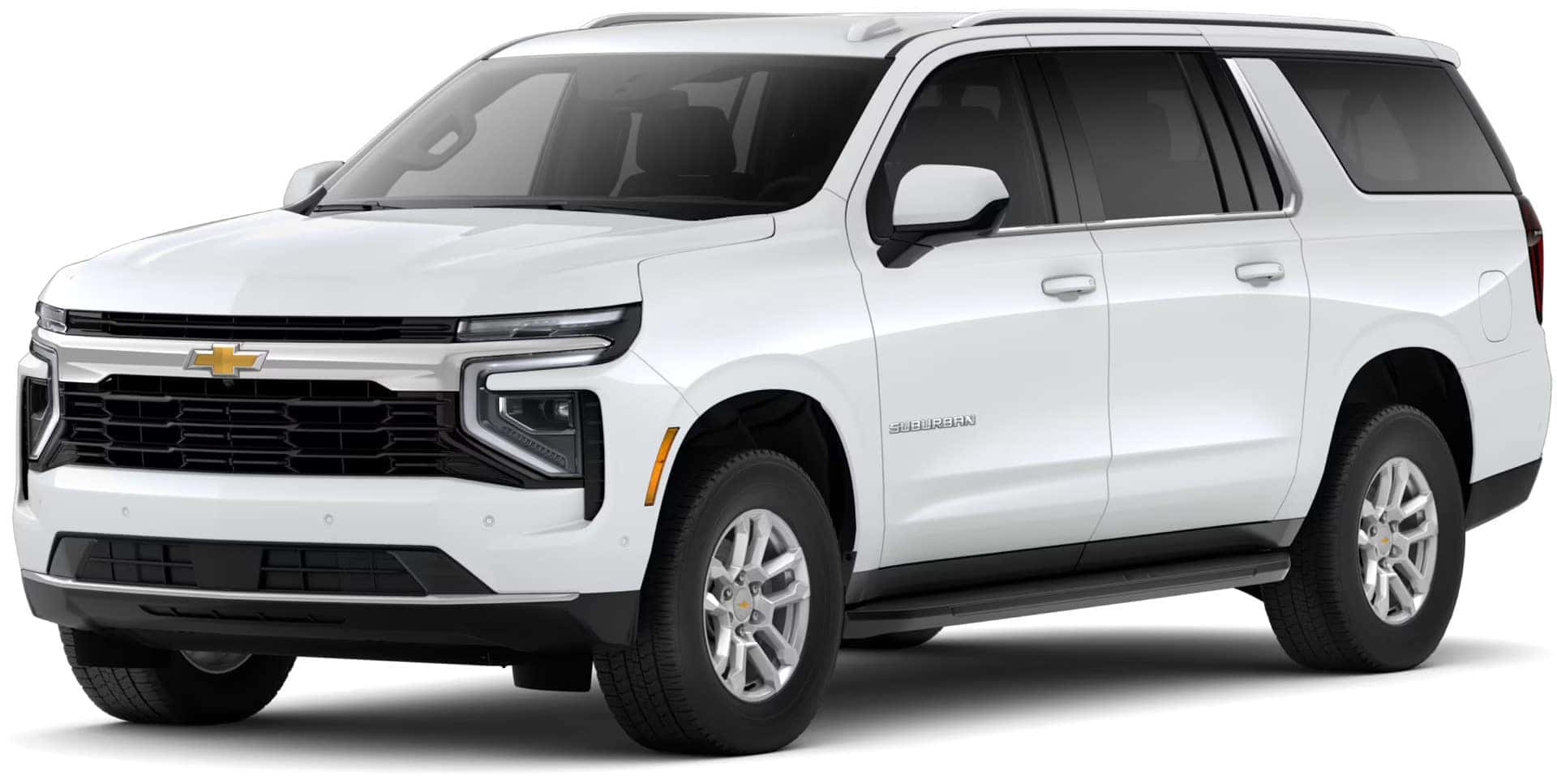
The LS comes with a manual third-row bench seat and a manual second-row bench seat as standard. The third row folds by hand, which is straightforward but requires stepping to the rear of the vehicle.
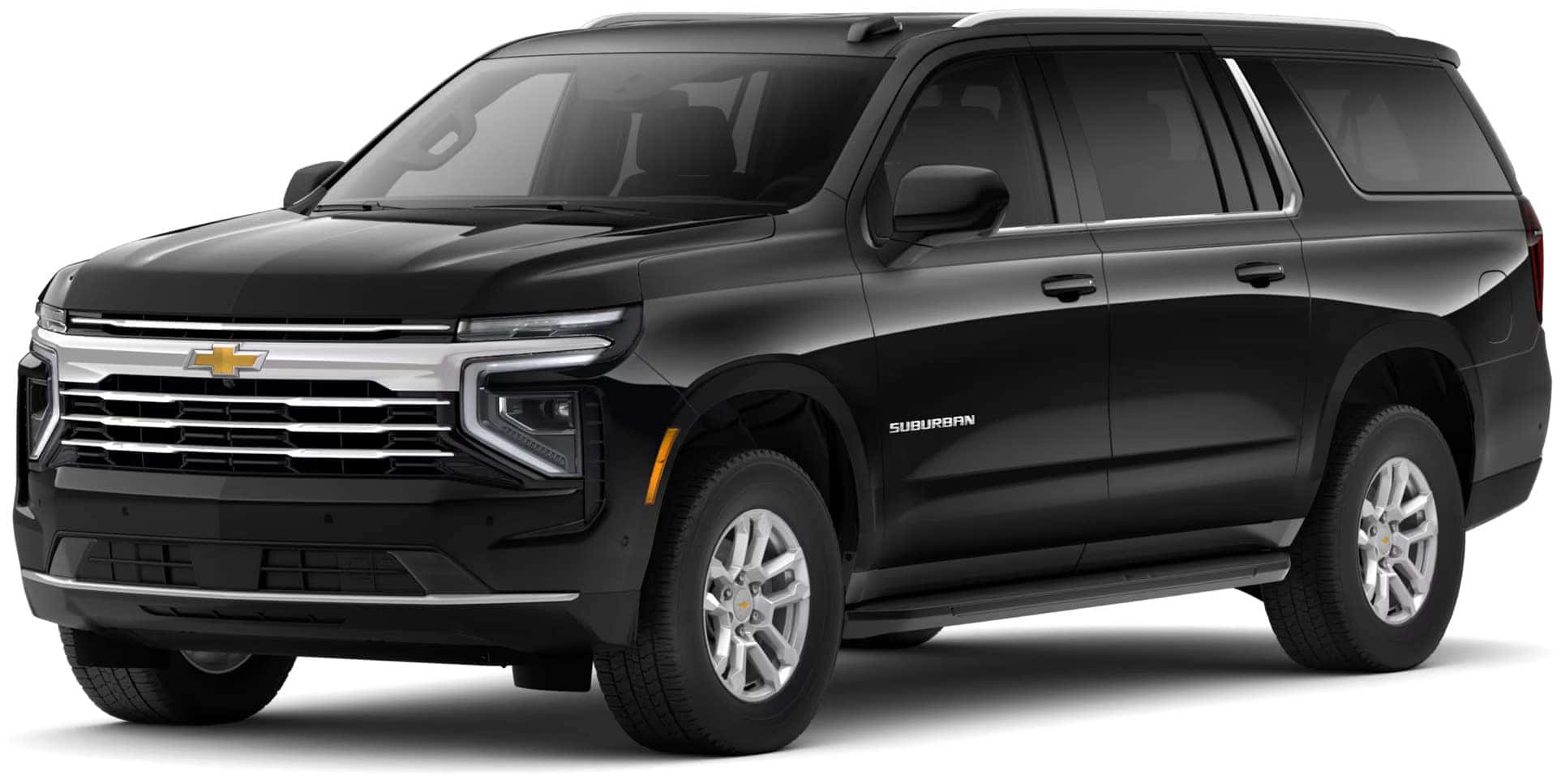
The LT adds a power third-row bench seat and available power second-row bucket seats or a power second-row bench seat. Power folding makes reconfiguring the interior faster, which matters when loading changes between stops.
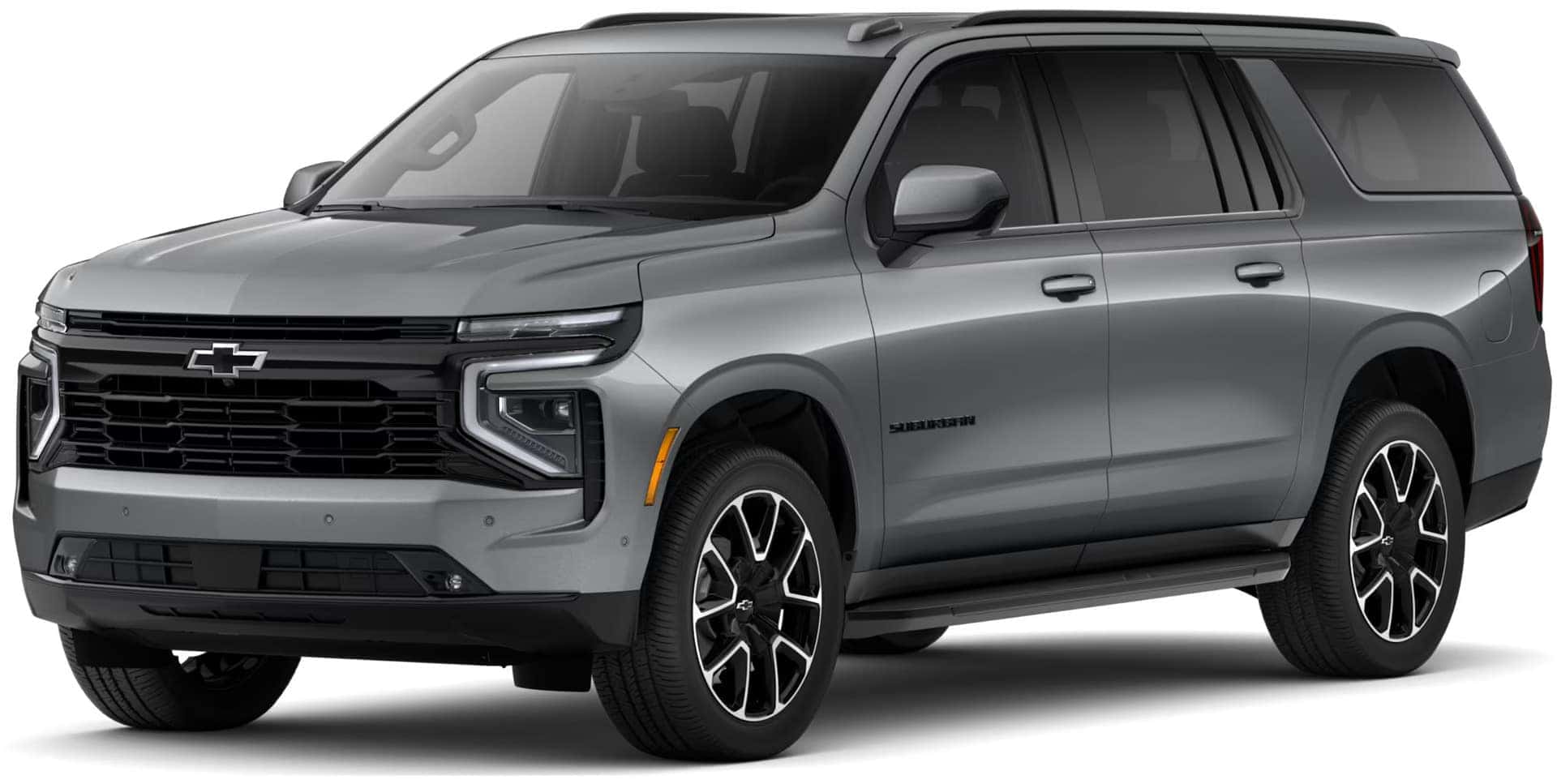
The RST mirrors the LT’s power seat architecture, adding RST-specific exterior trim. It also includes a manual third-row bench seat as standard, with the power third-row bench seat available.
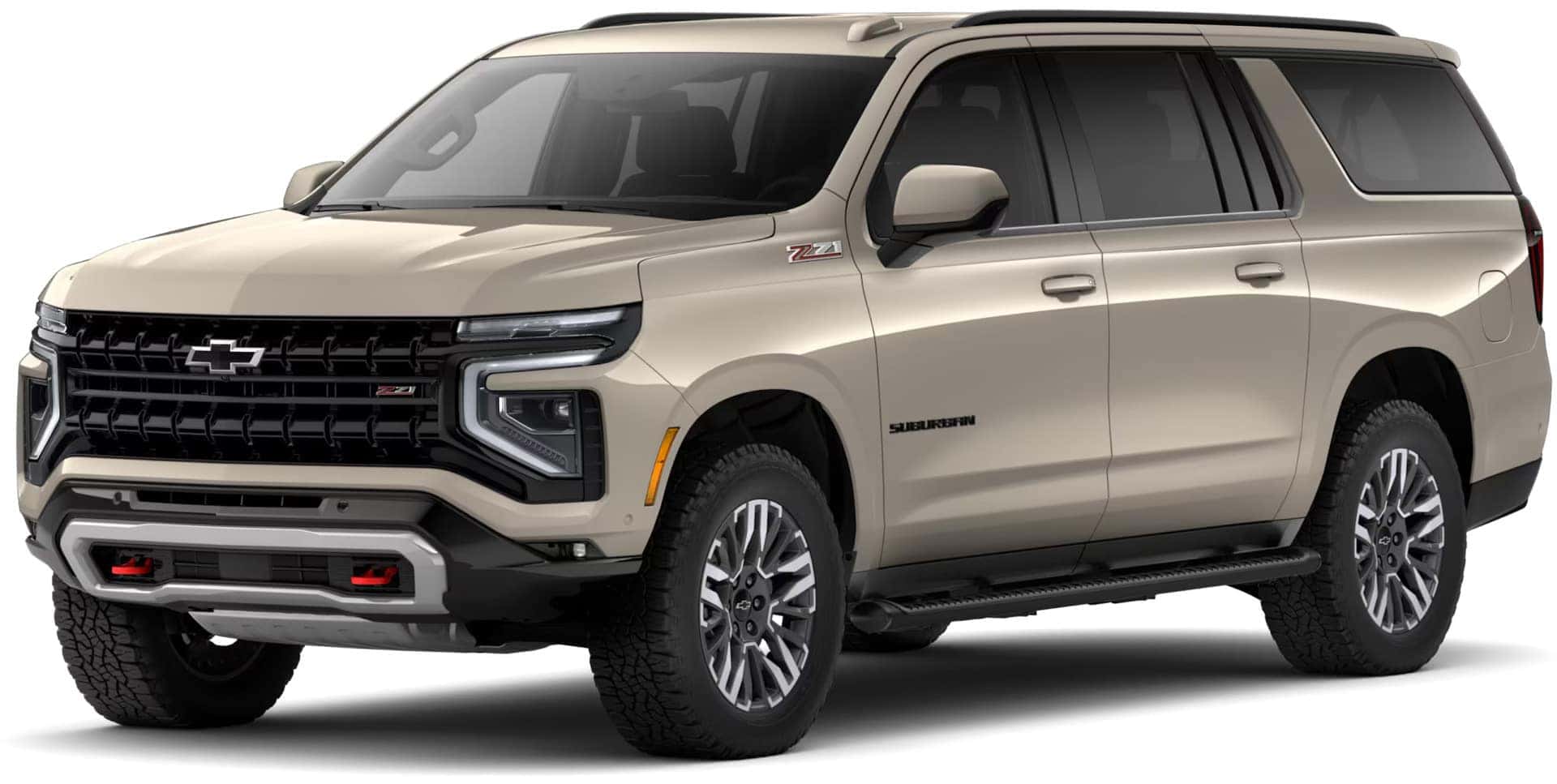
The Z71 4WD trim adds a standard power third-row bench seat and maintains the same second-row configurability as the LT. The Z71’s off-road suspension does not reduce interior volume.
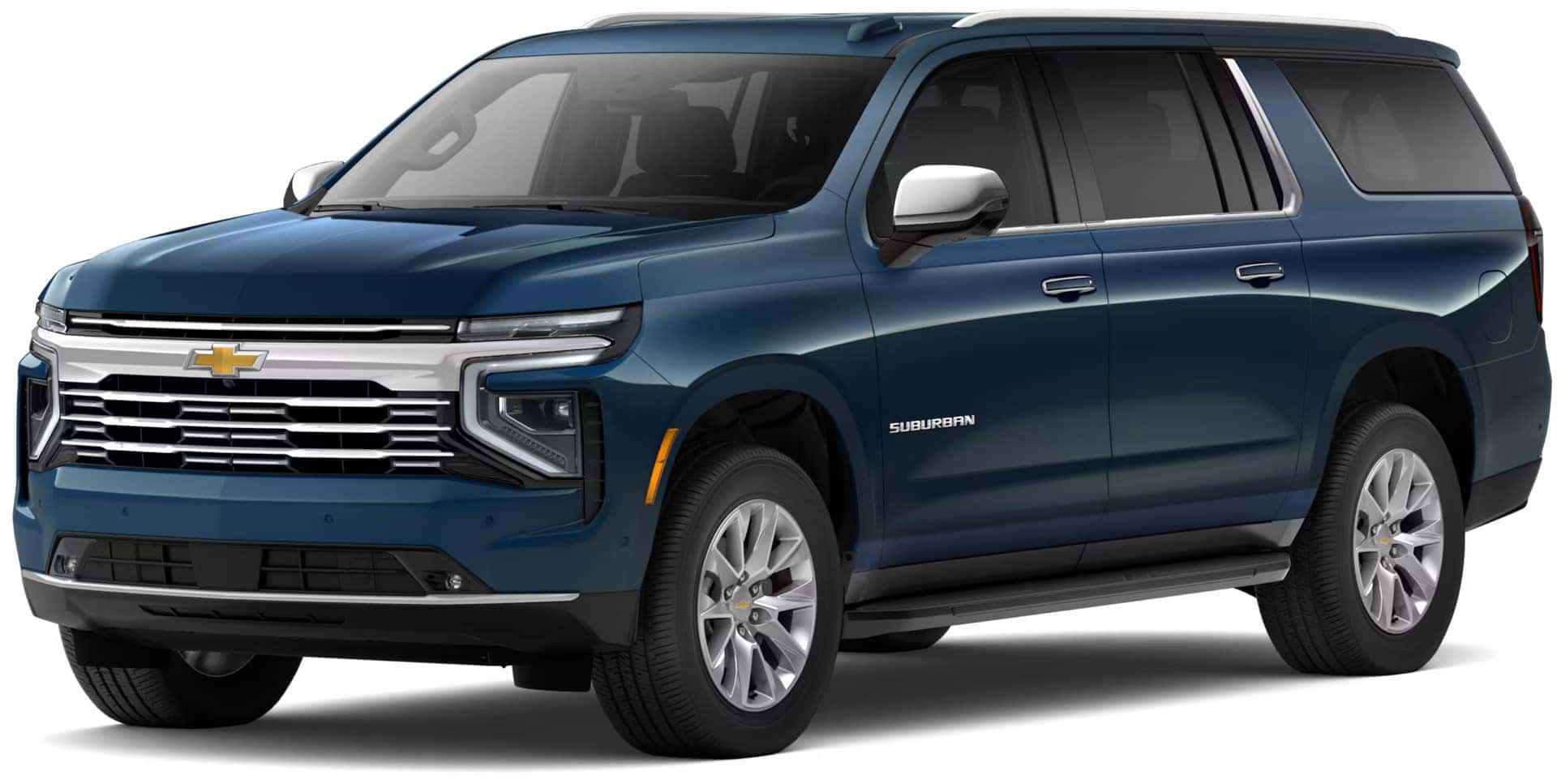
The Premier includes a power third-row bench seat as standard and power second-row bucket seats as standard. The Premier also gains a power tilt and telescoping steering column, which makes entering and exiting the third row easier for rear passengers. A retractable cargo shade is available on Premier to screen rear cargo from view.
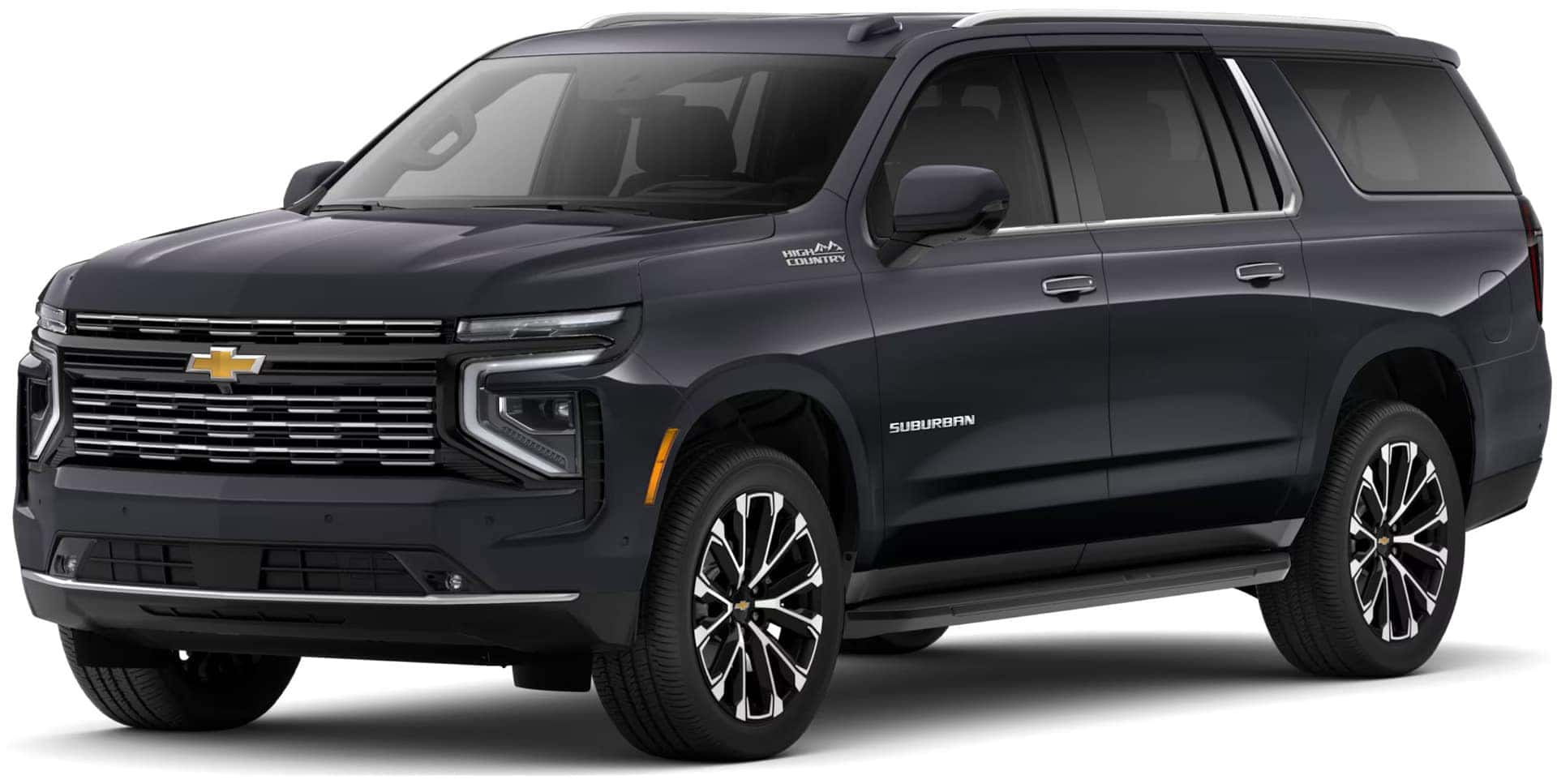
The High Country brings a power third-row bench seat and power second-row bucket seats as standard. It also includes a Cargo Management System standard across all trims, but the High Country’s available Technology and Entertainment Package pairs rear-seat functionality with rear entertainment without compromising seat reconfigurability.
All trims include standard rear air conditioning, which keeps third-row passengers comfortable regardless of how the second row is configured.
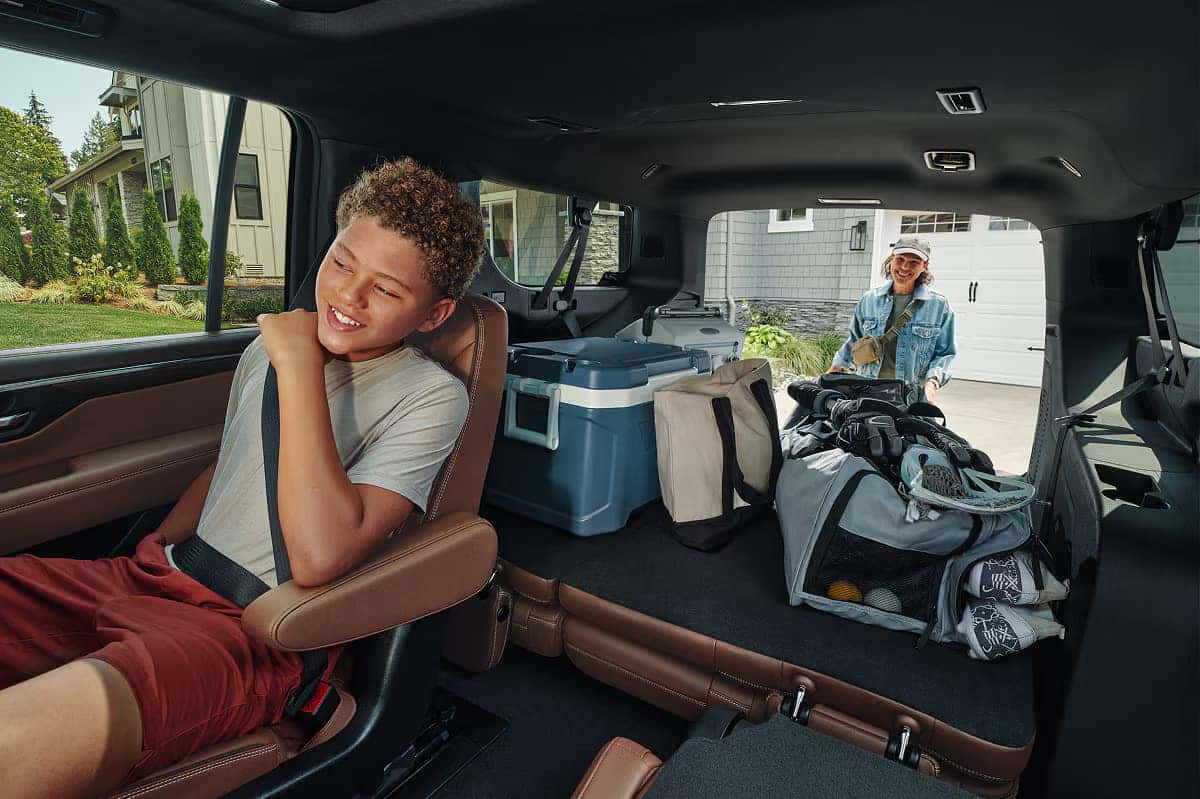
Consider a family of six driving from Camby to a lake property for the weekend. All three rows carry passengers on the way out. On the return, the third row folds and 93.8 cubic feet absorbs coolers, chairs, and equipment that would not fit in a crossover. Two 120-volt household-style power outlets (standard on all trims) keep devices charged throughout the drive. The cargo management system keeps gear organized and off the seats.
For a contractor or weekend hauler, the full 144.5 cubic feet of maximum cargo volume handles building materials, equipment cases, or sporting gear in a single load rather than multiple trips. The payload capacity of 1,759 lbs means the Suburban can carry meaningful weight, not just volume.
Families who regularly transport sports teams, church groups, or extended family will find that the Suburban’s 8-passenger capacity and rear cargo flexibility remove the need to coordinate a second vehicle. That is a concrete cost and logistical benefit on any given weekend.
The available dual 12.6-inch rear-seat entertainment displays mean third-row passengers stay occupied on longer drives, which reduces the pressure to stop frequently and cuts total trip time.
The Suburban’s 41.5 cubic feet behind the third row is a direct function of its full-size 226.3-inch body. Most mid-size three-row SUVs sacrifice cargo volume behind the third row to keep overall length manageable. That tradeoff is visible every time a third row is occupied and cargo still needs to go somewhere.
The Suburban’s second-row-folded figure of 93.8 cubic feet and maximum cargo of 144.5 cubic feet are produced by a flat load floor that results from the body-on-frame platform. Unibody competitors at similar lengths often produce irregular floor shapes around the rear suspension packaging, reducing usable volume even when the raw cubic-foot number looks comparable.
The available Bose 10-speaker CenterPoint Surround audio system (available on LT and above) also means the cargo-focused buyer does not give up interior quality to get capacity.
Numbers on a page only go so far. The Suburban’s 144.5 cubic feet of maximum cargo space and its three-row seating flexibility make the most sense once you stand inside the vehicle and see the load floor length. Greg Hubler Chevrolet serves buyers throughout Camby and the surrounding Indiana area and carries 2027 Suburban inventory. Bring your gear list, your family’s measurements, or your towing setup and see how the Suburban fits your specific situation.
The 2027 Suburban provides 41.5 cubic feet of cargo space behind the third row with all seats occupied. That grows to 93.8 cubic feet with the third row folded and reaches 144.5 cubic feet at maximum configuration with both rear rows stowed.
Yes. The third row provides 36.7 inches of leg room and 38.2 inches of head room. Those figures accommodate adults on trips of moderate length, though taller passengers may prefer the second row for extended drives.
The LT, Premier, Z71, and High Country trims include a power third-row bench seat. The LS and base RST use a manual third-row bench seat, though the RST can be optioned with the power third row.
The 2027 Suburban seats up to 8 passengers in the standard bench-seat configurations. Certain trims configured with second-row bucket seats reduce seating to 7.
Yes. A cargo management system comes standard across all 2027 Suburban trims, providing built-in organization and load-securing capability throughout the cargo area.
Yes. The Suburban tows up to 8,200 lbs with the standard 5.3L V8 and carries up to 8 passengers simultaneously. Towing and passenger capacity are independent of each other, though payload rating applies to total weight in the vehicle including passengers and gear.
